
SAFETY & SECURITY WINDOW FILM · SIOUX CITY
Hold the glass
together.
When it breaks.
Security film is a thick, clear or tinted layer with a strong adhesive. When glass breaks, the film holds the pieces together and in the frame.
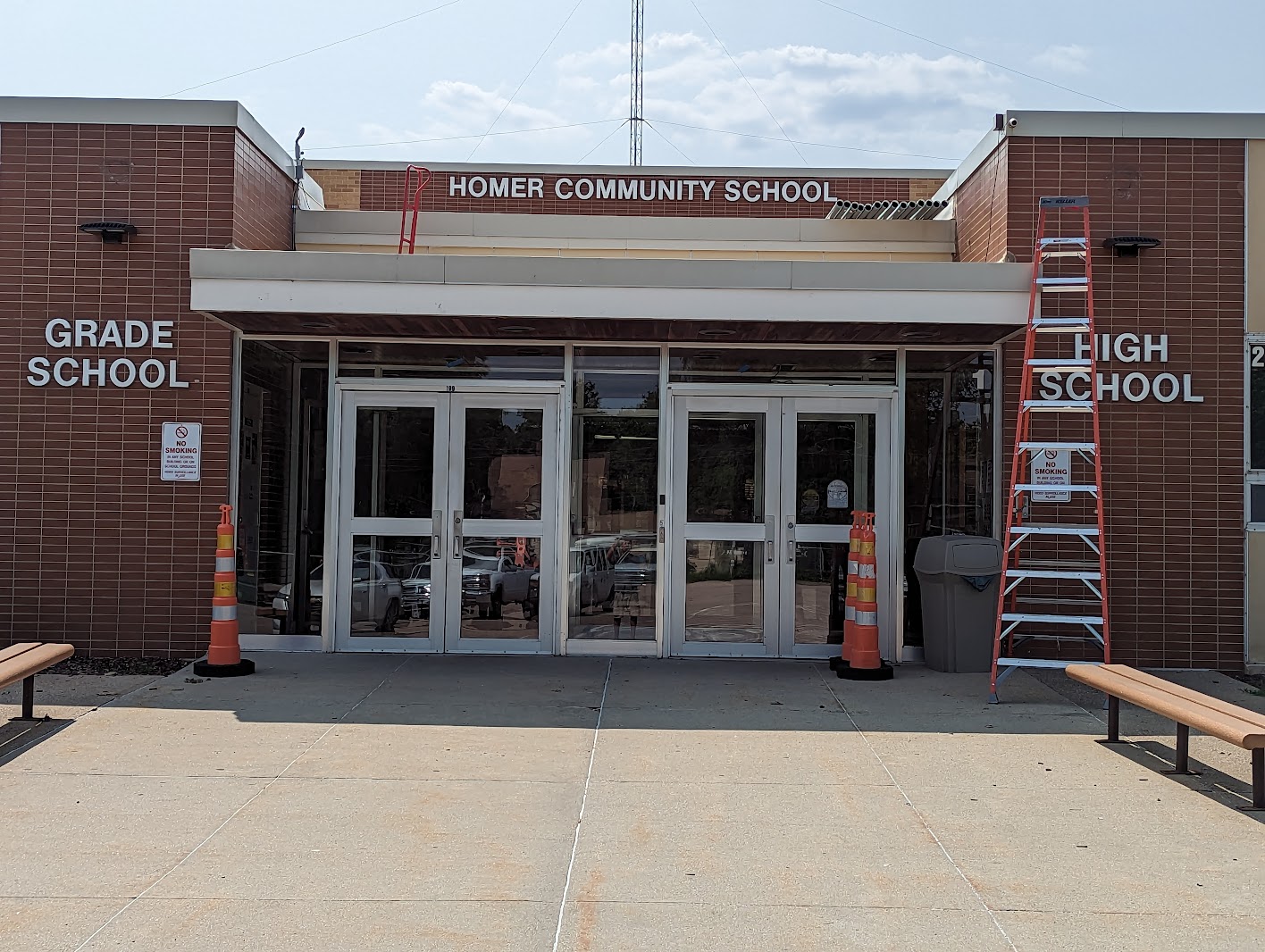
Schools, storefronts, public buildings, ground-floor homes and glass doors in Sioux City and about 100 miles around it.
START WITH THE CONCERN
One opening.
Different priorities.
Fragment retention, entry concerns and building use call for different questions.
01 / BROKEN GLASS
Start with fragment retention.
Suitable safety film can help hold broken glass together. Select for the actual glass and the concern you need to address.
02 / ENTRY CONCERNS
Evaluate a complete system.
Glass held in the frame slows a break-in. For higher-security work, the film can be anchored to the frame so the whole pane stays in place after it breaks.
03 / BUILDING USE
Plan around people and access.
Consider occupied spaces, doors, access and existing security measures. Bring the requirements of the building into the discussion.
LOOK BEYOND THICKNESS
The specification
is a system.
A roll of film is one component. Review the proposed assembly and evidence before deciding what it can do.
Security film is not bulletproof and doesn’t make glass unbreakable. It holds broken glass in place.
Film
Specified product
Thicker film is stronger. We match the film to the glass and the job.
Glass
Type, thickness, condition
Confirm the pane construction, existing coatings and condition. Recommendations must match the actual glazing.
Frame & attachment
Part of the scope
Check frame suitability and the attachment required by the selected system. Film on the pane and attachment to the frame are different parts.
Test evidence
Relevant assembly and threat
Review the tested film, glass, attachment and test conditions. Do not transfer a rating to a different assembly.
Installation & care
Written requirements
Confirm preparation, cure time, inspection, care and warranty terms for the specified products.
ILLUSTRATIVE COMPONENTS · NOT TO SCALE
01 / PANE
Glass
The existing pane and its construction.
02 / LAYER
Film
The specified film bonded to suitable glass.
03 / CONNECTION
Attachment
A specified connection to the frame, when required.
04 / OPENING
Frame
The surrounding structure that must suit the system.
This explanatory graphic is not a tested assembly, installation detail or WFC project image.
THE FRAME MATTERS TOO
Discuss the connection.
Define the requirements.
Film can help retain fragments on the pane. A specified attachment can help connect the filmed glass to the frame. Requirements vary by product and application.
Check the actual opening against current manufacturer instructions and relevant test evidence. Agree on the attachment scope, appearance and written terms before proceeding.
CLEAR EXPECTATIONS
A realistic layer of protection.
CLEAR LIMITS
Glass can still break.
Film does not make an opening unbreakable. A retained pane may still need repair or replacement.
A LAYER IN THE PLAN
Keep the wider plan in view.
Film does not replace locks, alarms, response planning or a building-specific security assessment.
MATCH THE EVIDENCE
Ask what was actually tested.
We don’t claim storm ratings, school certifications or bullet resistance. Ask what a specific system was tested for.
YOUR PLANNING CHECKLIST
Four steps to
a defined scope.
01
Describe the concern.
Tell us which doors or windows matter and what you want to address.
02
Document the opening.
Gather glass, frame, existing-film and access details.
03
Review the system.
Compare a suitable specification with relevant evidence and attachment requirements.
04
Confirm the scope.
Agree on treated openings, preparation, price, access, care and written terms.
BEFORE YOU CHOOSE
Useful questions.
Clear answers.
The application and the complete assembly matter more than a broad protection promise.
Does security film hold broken glass in place?
Yes. It’s a thick film with a strong adhesive. When glass breaks, the film holds the pieces together and in the frame. It is not bulletproof and doesn’t make glass unbreakable.
Can security film slow down a break-in?
Yes. Holding broken glass in the frame slows a break-in. It doesn’t stop a determined intruder and doesn’t replace locks or alarms.
Can the film be anchored to the frame?
Yes. For higher-security work, an attachment system anchors the film to the frame so the whole pane stays in place after it breaks. We’ll tell you which system your job calls for.
Can it be installed on tempered or insulated glass?
We check first. Single or dual pane, and tempered or not, affect which film is safe. We confirm the film and glass match before we specify the job.
Can film keep glass from flying in a storm?
Yes. If a storm breaks the glass, security film holds the pieces together so fewer shards fly into the room. It doesn’t make glass unbreakable, and we don’t claim a storm or hail rating.
Can I get security film that’s clear?
Yes. Security film comes clear or tinted. Clear security film doesn’t add privacy.
START WITH THE OPENING
Bring the concern.
Define the next step.
Share the windows, doors and priorities you want to discuss.
YOUR NEXT STEP
Tell us about
your glass.
Book a free on-site estimate or call 712-277-4342. Tell us which doors and windows concern you.
Sioux City, Iowa
info@windowfilmsco.com
The Window Films Company · Safety & security window film